Our Sustainability Strategy
Playing our part in helping society address significant challenges
Our strategic objective is to deliver a sustainable organisation for colleagues, customers, shareholders and society.
Our sustainability strategy over the 2026 to 2028 cycle focus on three pillars, each of which builds on the strong progress made during the previous strategic cycle.
Our ambition is to support positive societal impact by partnering with customers and businesses to support the transition to a low carbon and sustainable economy, and support housing and infrastructure development.
We will support societal impact by fostering inclusion and enabling communities to become more financially resilient, and will continue to innovate and deliver first-to-market products and services to help customers make sustainable choices.
As a signatory to the United Nations Principles for Responsible Banking our impact areas and interventions align with the UN’s Sustainable Development Goals, the blueprint for a more sustainable future for all.
Sustainability strategy pillars

The Green Transition
Partnering with customers and businesses to support the transition to a net-zero and sustainable economy

Housing & Social Infrastructure
Supporting housing development and enabling stronger communities through supporting social infrastructure

Social Inclusion
Supporting societal impact by fostering inclusion and enabling communities to become more financially resilient
Key impact areas

Increasing focus on business and infrastructure
Championing agriculture and nature
Transitioning assets under management
Digital and product innovation
Supporting housing investment, developing partnerships and ecosystems
Providing support for social infrastructure
Providing support for climate adaptation
Enhancing Financial Wellbeing
- Scaling financial education across our communities
- Supporting community initiatives
Colleagues
- Developing a representative future- ready workforce
- Scaling colleague outreach activity
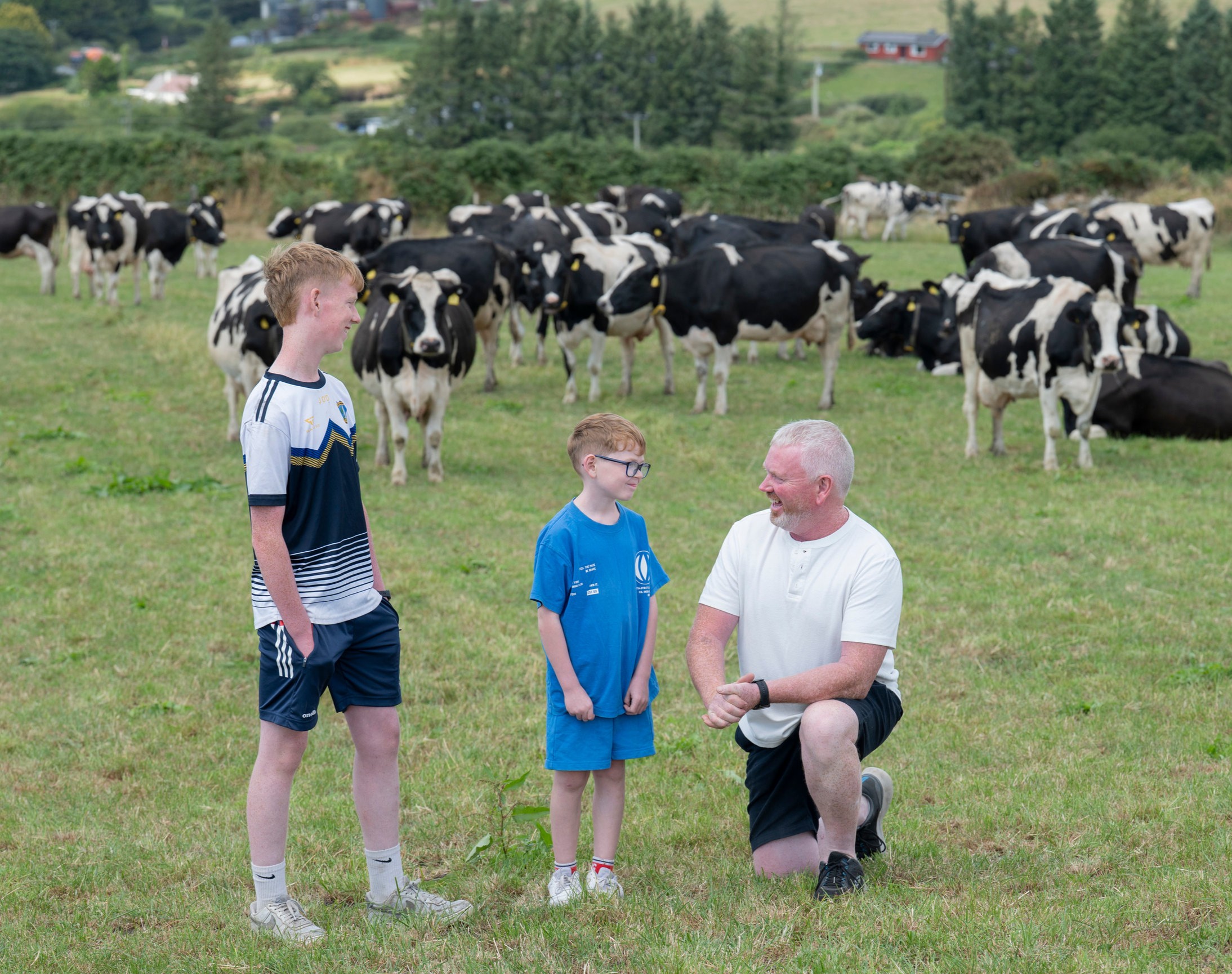
Supporting the Green Transition
At Bank of Ireland, we are partnering with customers and businesses to support the transition to a net-zero and sustainable economy.
Transitioning to a sustainable and resilient economy is vital for Ireland’s future. At Bank of Ireland, we recognise that the most significant impact we can have on climate change and the environment is through the finance and services we provide to our customers.
Over the current strategic cycle, we are increasing our focus on business customers, partnerships and ecosystems, including infrastructure and championing the agriculture sector. With respect to the assets we manage on behalf of our customers, we are taking a more active engagement role to support increased levels of investment in sustainable assets.

Supporting Housing & Social Infrastructure
At Bank of Ireland, we are supporting housing development and enabling stronger communities through supporting social infrastructure.
Housing is among the most pressing social issues in Ireland today. In response, the Irish Government’s €275 billion National Development Plan has targeted the delivery of approximately 300,000 additional homes by 2030, supported by large scale social infrastructure and energy projects.
Recognising our role in helping to address Ireland’s housing supply challenges, we are providing finance to homebuyers, supporting house builders and working in partnership with key stakeholders to help increase housing supply. We are also committed to supporting sustainable infrastructure, through financing renewable energy and social infrastructure projects that improve access to education, healthcare and affordable basic infrastructure.

Supporting Social Inclusion
We are supporting societal impact by fostering inclusion, deepening colleague engagement and enabling communities to become more financially resilient.
Across Ireland, individuals and communities continue to face barriers to financial wellbeing, including financial exclusion, low levels of financial confidence, unequal access to opportunities and the impacts of social and economic disadvantage.
We are committed to helping address these challenges. We support customers’ financial resilience and confidence,and invest in partnerships that drive positive social outcomes. Within our own workforce, we are fostering an inclusive culture that reflects the diversity of the society we serve, strengthening colleague engagement and supporting the development of future-ready skills that enable our people to succeed in a rapidly changing world.
We measure our impact through a range of social and workforce indicators. In this section our case studies highlight how we are delivering meaningful social impact for customers, colleagues and communities.